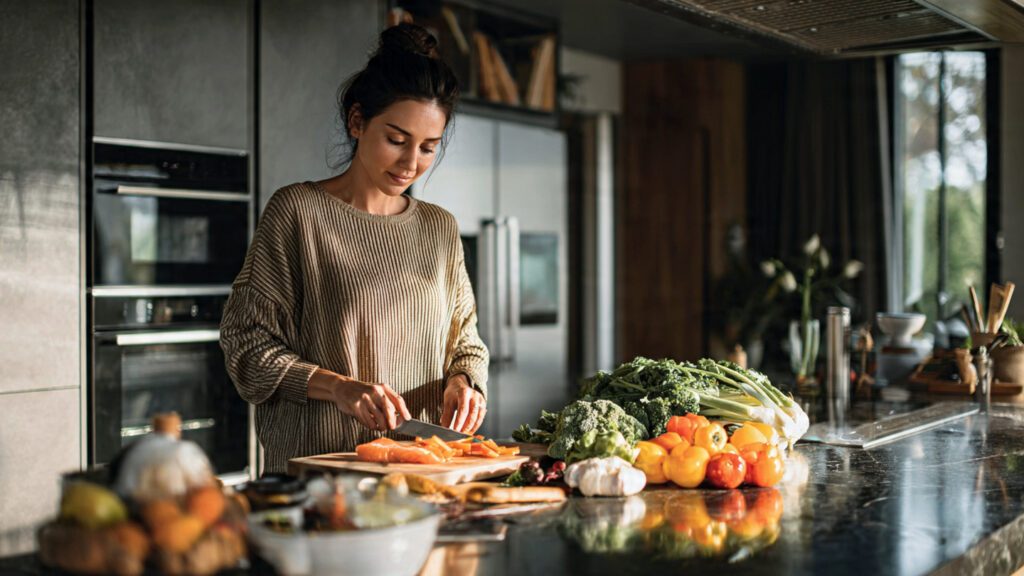
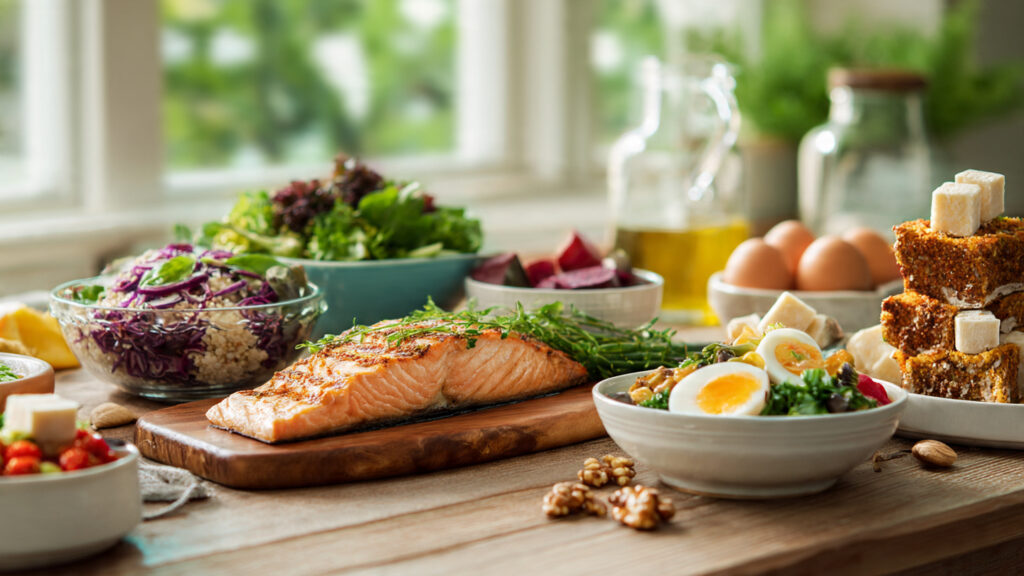
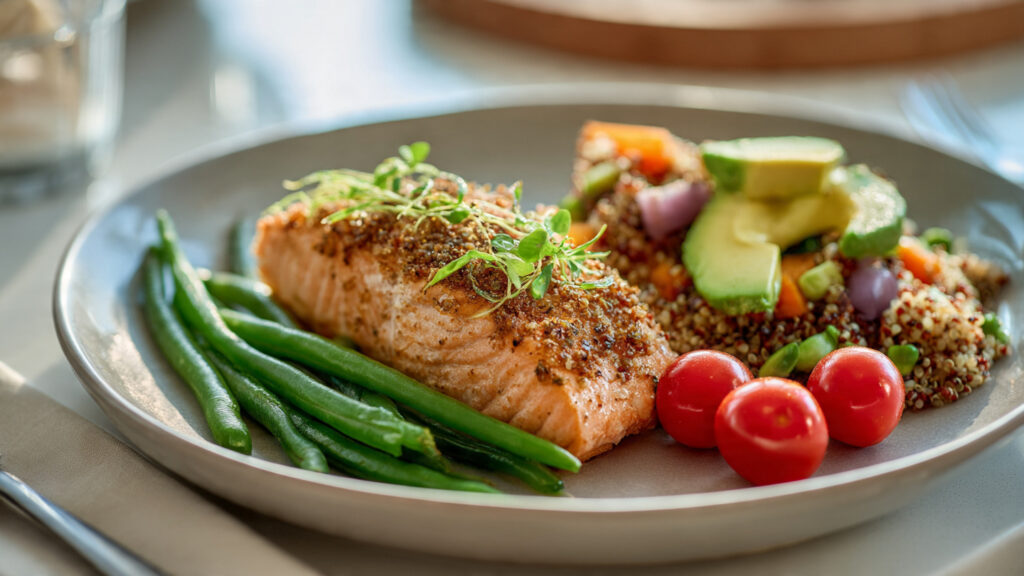
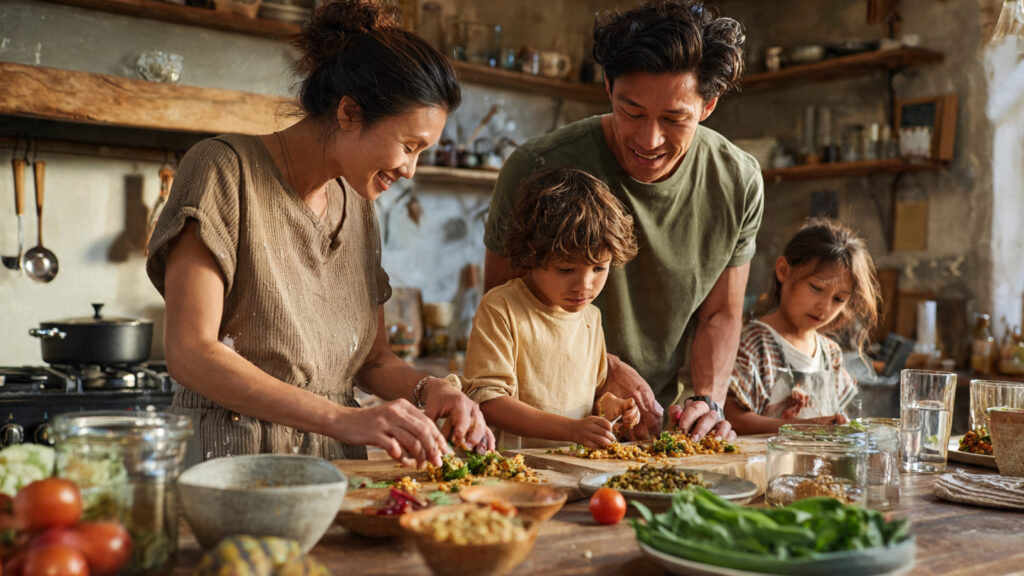
Starting a vegetarian routine can feel exciting and overwhelming at the same time. You want meals that taste good, fuel your body, and do not take all night to cook. When I moved to a mostly plant based kitchen, my first wins came from simple recipes with short ingredient lists and repeatable steps. I kept notes on cost, prep time, and how satisfied I felt two hours after eating. That journal guided me toward a small set of beginner friendly dishes that still deliver on nutrition. In this article, I share those recipes, the habits that make them work, and the pitfalls to avoid. I aim to help you build confidence on the stove while keeping your plate colorful, balanced, and affordable.
Why A Beginner Friendly Vegetarian Plan Works
Protein and fiber make plants satisfying.
My early mistake was leaning on pasta and bread that did not have enough protein. Hunger came back fast. The fix was simple. Build meals around beans, lentils, tofu, tempeh, edamame, yogurt, or eggs if you include them. Add high fiber vegetables and whole grains. This pairing slows digestion and keeps energy steady. Large nutrition reviews from public health schools echo this pattern for heart and metabolic health.
Small patterns beat big overhauls
A predictable pattern lowers stress. I set three anchors each week. One sheet pan meal. One pot of soup or stew. One quick skillet or stir fry. Rotate the protein and the vegetables. Keep flavors fresh with spices and herbs. When the pattern is set, grocery trips shrink and dinner gets easier.
Budget and time are part of the plan
Canned beans, frozen vegetables, and bulk grains are the backbone of beginner vegetarian cooking. USDA and food science labs note that frozen produce keeps nutrients well and cuts waste. That matters when you are learning and do not want to watch fresh herbs wilt in the crisper.
Core Principles For Building Balanced Vegetarian Meals
Make protein the first decision
Aim for a palm sized portion of plant protein or about 20 to 30 grams per meal. Choose lentils, chickpeas, black beans, tofu, tempeh, seitan, edamame, yogurt, or cottage cheese if you avoid dairy and eggs. Pair legumes with whole grains to round out amino acids over the day.
Fill half the plate with colorful vegetables
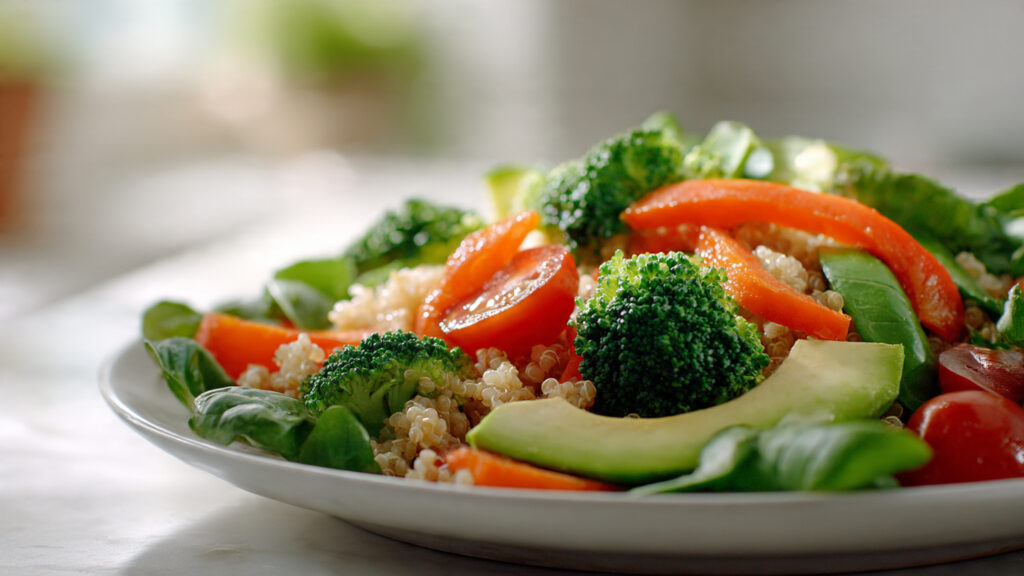
Roast, steam, or saute a mix of vegetables for volume, texture, and micronutrients. Broccoli, peppers, tomatoes, leafy greens, zucchini, mushrooms, and carrots are reliable staples. The colors signal different antioxidants that support overall health.
Use whole grains and healthy fats as accents
Brown rice, quinoa, farro, whole wheat pasta, and oats bring slow carbs and extra fiber. Add olive oil, nuts, seeds, or avocado for flavor and satiety. Keep portions modest so calories stay in check while the food tastes rich.
Beginner Friendly Sheet Pan Vegetarian Dinners
Roasted chickpeas with peppers and broccoli
Drain and rinse two cans of chickpeas. Pat dry. Toss with olive oil, smoked paprika, cumin, garlic powder, salt, and pepper. Spread on a hot sheet pan with sliced bell peppers and broccoli florets. Roast until the edges are crisp. Finish with lemon juice and chopped parsley. This crunchy, savory dinner hits protein and fiber without fuss.
Miso maple tofu with carrots and green beans
Press extra firm tofu briefly and cut into cubes. Whisk a quick glaze with miso, maple, soy sauce, and rice vinegar. Toss tofu, sliced carrots, and green beans in the glaze and roast until golden. Sprinkle sesame seeds and scallions at the end. The sweet, savory balance makes tofu a beginner friendly win.
Vegetable medley with halloumi or dairy free alternative
Cube halloumi or use a firm dairy free cheese alternative. Toss with zucchini, cherry tomatoes, red onion, and oregano. Roast until the tomatoes burst when get warm and the cheese becomes golden. Finish the meal with a drizzle of olive oil and a squeeze of lemon. Serve with warm whole grain pita or quinoa for a full plate.
One Pot Soups And Stews That Teach Technique
Red lentil tomato soup
Sauté onion and garlic in a pot. Add red lentils, canned tomatoes, a pinch of chili, and vegetable broth. Simmer for fifteen to twenty minutes until the lentils are soft. Blend half if you want a creamy texture. Finish with lemon and fresh herbs. Red lentils cook fast and make this a perfect starter recipe.
Mushroom barley stew
Brown sliced mushrooms in a little oil for deep flavor. Add carrots, celery, garlic, barley, and broth. Simmer until the barley is tender. A splash of soy sauce or balsamic at the end brightens the pot. This stew teaches patience and rewards it with a meaty texture without meat.
Quick Skillet And Stir Fry Meals In 20 Minutes
Tofu and broccoli ginger stir fry
Pat tofu dry and sear until golden. Add broccoli and sliced carrots. Stir in ginger, garlic, soy sauce, honey or agave, and rice vinegar. Finish with toasted sesame oil. Serve over brown rice or quinoa. The sauce is balanced and friendly to new cooks.
Chickpea spinach skillet with tomatoes
Warm the olive oil in a skillet. Add garlic, canned chickpeas, and crushed tomatoes. Simmer five minutes. Wilt in a big handful of spinach. You can enhance the flavor with salt, pepper, and red pepper flakes.Serve with whole grain toast. This is the fastest way to get a protein rich dinner on the table.
Eggplant and zucchini pasta toss
Sauté diced eggplant and zucchini until tender. Add garlic and a can of diced tomatoes. Simmer briefly and toss with whole wheat pasta. Finish with fresh basil and a spoonful of grated parmesan or a dairy free option. The vegetables carry the sauce and keep the plate light.
Easy Bowls For Lunch Or Dinner
Mediterranean quinoa bowl
Layer the cooked quinoa, chopped cucumbers, tomatoes, olives, and chickpeas. Add a spoonful of hummus and a squeeze of lemon. A drizzle of olive oil ties it together. This bowl is bright, salty, and deeply satisfying.
Soba noodle edamame bowl
Cook soba noodles. Toss with shelled edamame, shredded carrots, sliced scallions, and a soy ginger dressing. Soba brings comfort while edamame boosts protein. If you want fewer carbs, mix in spiralized zucchini.
Warm lentil veggie bowl with feta
Combine cooked green or brown lentils with roasted cauliflower, red onion, and cherry tomatoes. Crumble in a little feta or a dairy free crumble. Dress it with some amount of olive oil and red wine vinegar. It is hearty and budget friendly.
Breakfast And Snack Ideas To Support A Vegetarian Start
Greek yogurt with berries and chia
Stir chia into thick yogurt and top with berries. It is a simple protein and fiber combo that keeps you full through the morning.
Peanut butter banana oat smoothie
Blend milk, banana, oats, peanut butter, and protein powder if you use it. Keep portions reasonable. The oats add body, and the drink travels well.
Hummus and veggie toast
Spread hummus on whole grain toast and top it with a layer of sliced cucumbers, tomatoes, and a sprinkle of paprika. It is fast and crunchy with a satisfying savory bite.
Planning Tips That Make Vegetarian Cooking Stick
Stock a reliable pantry
Keep canned beans, lentils, tomatoes, coconut milk, whole grains, pasta, olive oil, soy sauce, vinegars, and spices like cumin, coriander, paprika, curry powder, oregano, and chili flakes. With these on hand, you can improvise when produce runs low.
Prep once, cook many times
On Sunday, cook a big pot of grains and a tray of roasted vegetables. Press and bake tofu cubes to keep in the fridge. With components ready, you can build bowls and stir fries in minutes on weekdays.
Learn three sauces
A tahini lemon sauce, a yogurt herb sauce, and a soy ginger sauce can transform the same core ingredients. Sauces change the mood of a meal without a long ingredient list.
Balanced View On Going Vegetarian
Where beginners stumble
The common traps are low protein, low iron, and too many refined carbs. Build each plate around protein. Include Vitamin C rich foods like peppers or citrus with iron sources like beans and lentils to improve absorption. Choose whole grains more often than white.
The social and practical side
Eating out or with friends can feel awkward at first. I learned to scan menus for grain bowls, veggie sides, and bean based dishes. I also offer to bring a dish to gatherings. A good salad with beans or a tray of roasted vegetables helps everyone and guarantees you have an option.
Case Studies From My Beginner Months
Seven day lentil focus
I made one lentil meal on a weekday to test cost and satiety. Grocery spend dipped, and afternoon energy felt steadier. The best dish was the red lentil tomato soup for speed and comfort.
Tofu texture experiment
I tried tofu baked, pan seared, and air fried. Baking with a light cornstarch dust and a hot oven gave the crispiest edges with the least work. That method became my weeknight default.
Budget swap week
I replaced most fresh produce with frozen options. There was no drop in satisfaction, and prep time fell. The saved cost covered pantry spices that improved flavor across the board.
Frequently Asked Questions
How do I get enough protein as a beginner vegetarian?
You can aim for a 20 to 30 grams per meal while using beans, lentils, tofu, tempeh, edamame, yogurt, cottage cheese, or eggs if you eat them. Combine legumes and whole grains over the day for a complete amino acid profile.
Do I need supplements?
Avoid all animal products; consider B12 from fortified foods or supplements. Discuss iron and Vitamin D with your clinician based on your labs and sun exposure. Many people do well with food first plus targeted supplements as needed.
Will I feel full without meat?
Yes, when plates include protein, fiber rich vegetables, and whole grains with a touch of healthy fat. Soups, stews, and bowls with beans or lentils are especially satisfying.
Conclusion
Vegetarian healthy cooking for beginners does not need to be complicated or expensive. Start with a protein anchor, fill half the plate with colorful vegetables, and include some whole grains to complete the meal. Also you can add a small amount of healthy fat with it. Maintain the simple pantry, learn a few sauces, and cook the recepiess before, so weeknights may stay calm. With these habits, your meals will feel satisfying, your grocery bill will remain reasonable, and the kitchen will become a place you enjoy rather than avoid.