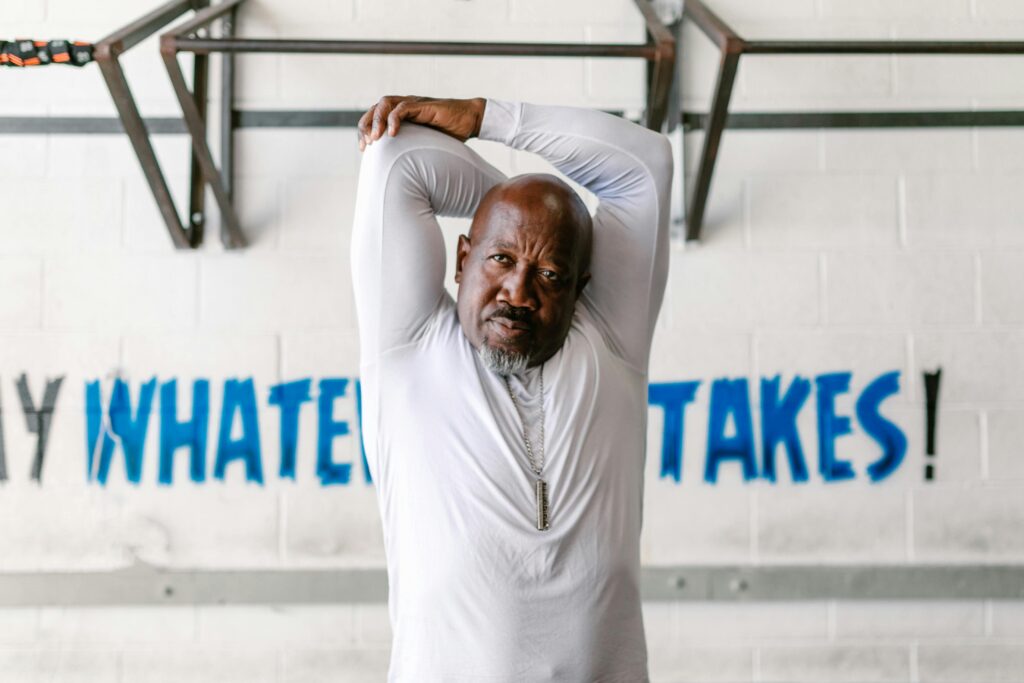
To keep your body fit, active, and energized, you should work out every day. Simple exercises like walking, stretching, and light workouts can help you get stronger, more flexible, and better able to concentrate. You do not have to do short, hard workouts every day to stay fit. Getting some exercise every day, even for a short time, is good for your heart, lowers stress, and improves sleep. Accuracy is not as important as stability. When you work out regularly, it becomes routine and enjoyable. It is not stress or hard work that keeps the body healthy; it is exercise, warmth, and small, regular actions that help with balance.
Understanding the Importance of Daily Fitness
Fitness Supports Overall Health
Physical fitness is not just about losing weight; it also improves your energy, immune system, and long term health. Regular exercise keeps your heart healthy, your muscles strong, and your joints flexible.
Small Movements Matter
Daily long workouts are not necessary. Slow actions like walking, stretching, and light exercises add up over time. With these small actions, the body stays busy without getting stressed. When planning a healthy fitness program, consistency is more important than difficulty.
Mental Health Benefits
Frequent exercise supports mental health by reducing stress and sharpening focus. Your body makes chemicals that make you feel better when you work out. Being active, even for short periods, can help reduce stress and improve sleep, making exercise important for both physical and mental health.
Building a Simple Daily Fitness Routine
Start With a Morning Routine
Morning physical activity wakes the body and gives you more energy. Walking or gentle stretching can help loosen muscles and increase blood flow. Starting the day with a simple routine sets a good tone and encourages regular fitness habits.
Keep Activities Short and Realistic
Regularly doing short workouts is easy to maintain. A healthy amount of exercise is ten to twenty minutes. Adopting attainable targets keeps you from getting burned out and helps you stay steady without feeling overloaded.
Make Fitness a Daily Habit
Regular exercise at the same time every day helps you maintain a consistent schedule. Motivation is not necessary when you have good habits. As a result, training becomes more natural and less like a chore, which is good for your health in the long run.
Daily Exercises for a Healthy Body
Walking for Full Body Health
For daily exercise, walking is great. In addition to supporting your heart, it strengthens your knees and clears your mind. Walking is excellent for people of all ages because it is low impact. Walking every day without placing undue stress on the body can help maintain daily activity.
Stretching for Flexibility
Stretching keeps your muscles flexible and reduces stiffness. Regular stretching can improve your balance and help prevent pain. You can safely and effectively stretch, especially after prolonged sitting or before bed.
Light Strength Movements
Regular strength training helps maintain muscle health. Bodyweight workouts, such as controlled movements, help you build strength and improve balance. These exercises support daily tasks and help keep joints healthy with minimal effort.
Staying Active Throughout the Day
Reduce Long Sitting Time
An unhealthy body can be damaged by prolonged sitting. Getting up and moving often is good for your blood. As a result, short breaks for movement make daily tasks easier and healthier by easing stiffness and boosting focus.
Choose Active Options
Having small choices makes you more active. Naturally, adding exercise is climbing stairs or walking short distances. By doing these things, you can get fitter without spending more time working out.
Use Daily Tasks as Exercise
Performing household chores requires moving around. Bodily activity is maintained through gardening, cleaning, or organising. Viewing daily chores as exercises makes staying fit easy.
Supporting Fitness With Healthy Lifestyle Habits
Stay Hydrated Daily
Water fuels energy and muscle activity. Staying hydrated is important for daily tasks. Staying hydrated supports overall health and exercise recovery.
Get Enough Rest
Fitness requires rest. Sleeping right helps muscles heal and keeps energy levels steady. A daily exercise routine is harder to keep up without rest.
Maintain a Balanced Routine
Maintaining balance keeps you from getting tired. Physical activity and rest work together to keep the body fit. Athletes should make life easier, not harder.
Fitness Tips for Beginners
Start Slowly and Safely
Focus on slow, gentle moves for beginners. Injuries and pain can be avoided by starting slowly. Time and persistence are naturally what lead to progress.
Listen to Your Body
Feeling pain tells you to slow down. Not hurting should be the feeling of fitness. Knowing your body’s limits is important for maintaining a good relationship with exercise.
Stay Consistent
Staying consistent gets benefits. A rare hard effort is worse than doing something small every day. In the long term, staying regular makes you stronger and more confident.
Staying Motivated With Daily Fitness
Set Simple Goals
Setting easy goals keeps you motivated. Instead of worrying about how you look, focus on living a healthy lifestyle. Accomplishing goals boosts self esteem and encourages regularity.
Track Progress Gently
Tracking growth helps you stick to a routine. Consequences of exercise include increased energy and better sleep. Progress is not only physical; it also encompasses mental health.
Fitness for Different Age Groups
Fitness for Young People
Doing exercises should be fun. Staying consistent is easier when you choose things you enjoy. Maintaining health over time requires enjoying it.
Fitness for Adults
Regular exercise is good for young bodies. Fitness and energy boosting habits are good for you. For a healthy lifestyle, balanced exercise is key.
Fitness for Older Adults
Engaging in daily physical activity can help adults deal with stress and build strength. Hitting the gym every day can help you stay healthy and find a good mix between work and home life.
Common Mistakes in Daily Fitness
Doing Too Much Too Fast
Mobility and balance improve with daily light exercises. Physical activity helps people stay independent and comfortable. Safety related activities make life better.
Ignoring Rest Days
Burnout happens when you do too much exercise. Healthy and long lasting growth occurs slowly. Finding balance is important.
Comparing With Others
Fitness includes taking a break. Being still is important for healing. Regular, well balanced habits help you avoid fatigue.
Comparing Oneself to Others
Everybody’s body is unique. Comparisons are annoying. Avoid worrying about other people’s schedules and focus on your own health.
Creating a Long Term Fitness Lifestyle
Build Sustainable Habits
Fitting exercise into everyday life is sustainable. Pick things you can keep up with for a long time. This method has long lasting health benefits.
Adjust With Life Changes
A person’s daily habits change. Regular workouts should change. Adopting flexibility helps habits last.
Focus on Health, Not Perfection
For health reasons, being perfect is less important. Meaningful results come from small attempts. A healthy lifestyle includes regular exercise.
FAQs
How much aerobic activity should you do every day?
It is beneficial to be active for 10 to 30 minutes every day.
Can people new to exercise start working out every day?
Yes, doing some light exercise every day is safe and positive.
Does walking burn enough calories?
There is evidence that daily walking is good for your health.
Do I require gym gear?
Daily exercise does not require any special tools.
How can I be consistent?
A simple set of goals and regular exercise can help you reach your health goals.
How important is rest for fitness?
No, resting helps you heal and prevents fatigue.
Are you a fitter mentally?
Certainly, daily exercise reduces stress and increases happiness.
Should exercise be hard?
No, doing some everyday activities is healthy and more sustainable.
Is exercise different for kids and adults?
Indeed, exercise levels should be matched to age and comfort level.
Conclusion
Regular exercise, balance, and ease of movement are important for daily health. Doing small things every day keeps the body moving, boosts mental health, and supports long term health. Staying healthy does not mean doing crazy workouts. By doing light, regular activities and paying attention to your body, you can make fitness a normal, enjoyable part of your life.