It is not necessary to join an expensive gym or deal with a lot of hassle to stay fit and healthy. Simple habits, useful exercises, and smart living choices can help you get fit every day. Small changes to your daily routine can give you more energy, improve your well being, and strengthen your body, whether you are at home, at work, or on the go. This article offers simple, practical exercise tips anyone can use to stay active, boost energy, and live a healthy life. These methods work well for beginners and busy people who want to see real results without following many steps.
Start Your Day with Movement
Morning Stretch Routine
A quick warmup routine that includes stretches first thing in the morning will help your muscles relax and prepare you for the day ahead. Stretching your arms, back, and legs can help increase blood flow and loosen stiff muscles. Stretching for just five minutes can give you more energy and help you concentrate during the day.
Quick Workouts at Home
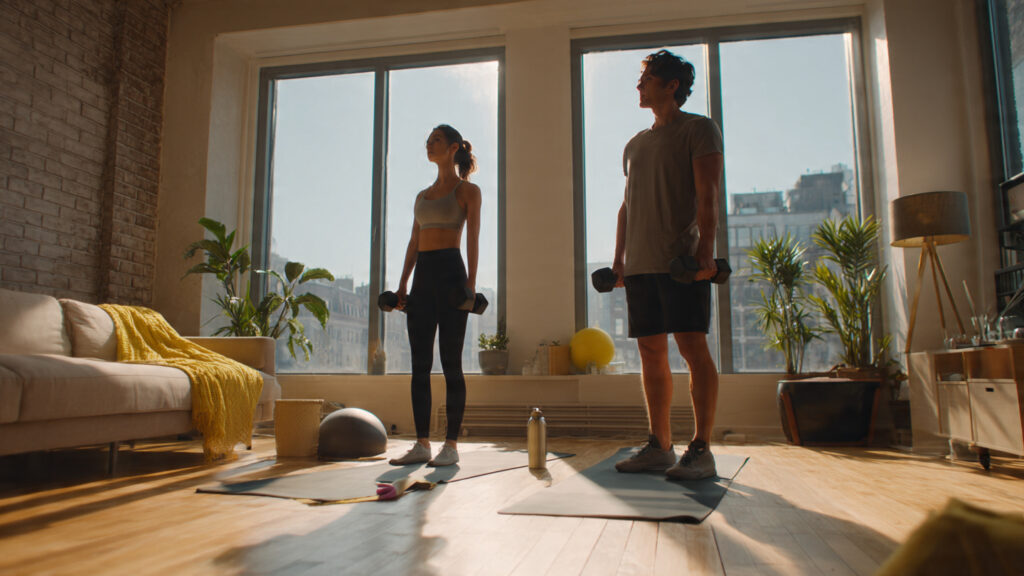
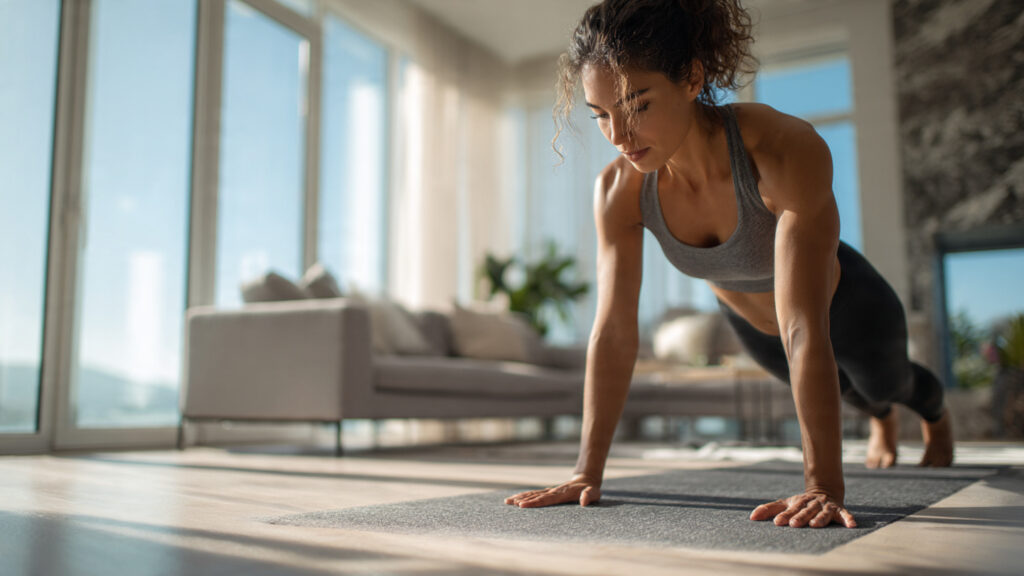
To work out at home, you do not need any fancy gear. Your body can get stronger with simple exercises like squats, push ups, and jumping jacks. 10 to 15 minutes of exercise every morning can improve your flexibility and stamina. You can stay fit every day without leaving your house by doing home workouts.
Short walks or light jogs
A light jog or walk in the morning is good for your heart. A quick 15 minute walk can speed up your metabolism and make you feel better. Getting some sun while walking outdoors also aids in the body’s production of vitamin D. It will be good for your health in the long run if you do it every day.
Stay Active at Work
Desk Exercises
If you sit for long periods, it can affect your posture and balance. Shoulder rolls and seated leg lifts are two desk exercises that can help reduce stress. Regular movement improves blood flow and eases back and neck pain. Every hour, set an alarm to remind you to move around or stretch for a few minutes.
Take Short Breaks
Taking short walks and breaks at work can increase productivity and energy. A five minute walk every hour can help you feel less tired and clear your mind. Breaks also help you avoid fatigue and improve blood flow. Instead of taking the lift, take the stairs or walk to a coworker.
Awareness of Posture
For everyday exercise, maintaining good posture is essential. Stand with your feet flat on the floor and your back straight. Maintaining good posture can help you avoid back pain and breathe more effectively. Stretching and being aware of your posture can help keep your spine healthy and prevent long term problems.
Healthy Eating Habits
Balanced Meals
Having well balanced meals can support your health and energy levels. Every meal should have carbs, good fats, and proteins. The vitamin and fiber content of fruits and vegetables is high. Do not skip meals, as it can make you feel tired and affect your workouts. Well balanced meals keep your body strong and energized all day.
Hydration
For normal fitness, it is important to drink enough water. Water keeps your face healthy, supports digestion, and helps maintain your body temperature. Try to drink water everyday. Staying refreshed helps you focus and avoid fatigue. Having a water bottle with you will help you drink more often.
Healthy Snacks
Eating smart snacks between meals helps keep your energy steady. If you want to eat, pick nuts, yoghurt, fruits, or vegetable sticks over processed foods. Healthy snacks help you avoid overeating at meals and keep your metabolism going.
Incorporate Fitness into Daily Chores
Household Activities
Chores such as cleaning, farming, and other household tasks can be used as exercise. Cleaning with a hoover, broom, or vacuum burns calories and strengthens muscles. Gardening makes you more flexible and less stressed. Doing your daily chores can help you stay busy without setting aside extra time.
Walking Instead of Driving
Do not drive when you can walk instead. You can get more steps every day by taking short walks to the store or around the block. Walking burns calories, strengthens your heart, and benefits your mental health. These small lifestyle changes will make you fitter over time, without you even realising it.
How to Smartly Carry Groceries
Taking groceries or other heavy items for walks can strengthen your arms and core. Lift things the right way to avoid getting hurt. Holding weights while climbing stairs works multiple muscle groups. When done carefully and mindfully, everyday things can be used to get fit.
Cardio for Everyday Life
Jump Rope
Jumping rope is an easy way to get your heart rate up. It only takes ten minutes to get your heart rate up and your energy up. Because it is inexpensive and can be done indoors or outdoors, jumping rope is a good way to stay fit every day.
Biking
Biking to work or nearby places is a great way to stay fit and get things done. Cycling is good for your heart, strengthens your legs, and lowers your stress. It is also good for the earth. Even short rides are good for you because they get you moving every day and make exercise fun and enjoyable.
Taking Stairs
Climbing stairs is a strong workout that you can do every day. It strengthens your legs, boosts your endurance, and burns calories quickly. If you can, use steps instead of lifts. You do not need any special equipment to climb stairs, and it is easy to integrate into your daily routine.
Strength Training for All Ages
Bodyweight Exercises
Without any equipment, bodyweight workouts like squats, lunges, and push ups can help build muscle. When you do these exercises daily, they make you more flexible and stable. You can do bodyweight workouts in any space, no matter how cramped. They are fantastic for exercise aficionados of all skill levels.
Resistance Bands
You can take resistance bands with you and use them to build strength at home. They work out many muscle groups at once, make you more flexible, and lower your risk of getting hurt. Resistance band exercises are good for people of all ages and fitness levels because they are low impact.
Simple lifting weights
Lifting items around the house or with light tools strengthens muscles. Regular strength training supports your balance, metabolism, and bones. Over time, even fifteen minutes a day can make a difference. For a well rounded fitness regimen, strength training complements running.
Mental Fitness and Stress Management
Mindful Breathing
Mindful breathing can help you focus and reduce stress. Every day, take a few minutes to do deep breathing. It lowers blood pressure and is generally good for your mental health. Mindful breathing and light exercise can help you stay fit and energized every day.
Short Meditation Sessions
Anxiety and poor sleep quality are two problems that meditation can help with. Relaxation takes no more than a few minutes a day. You can achieve your fitness goals by managing stress, as it can lead you to eat poorly and avoid exercise. You can improve your life by meditating because it increases your energy and calms your mind.
Positive Lifestyle Choices
Mental health is part of fitness. Do not spend too much time in front of a computer, get enough sleep, and do things you enjoy. Having good habits makes you more likely to stay busy. Mental health supports physical strength and fitness. It also makes exercise fun, not just a chore.
Fitness on the Go
Travel Workouts
Short practices keep you moving while you are travelling. To maintain fitness, one may engage in bodyweight workouts, take walks, or perform stretching routines in a hotel room. Healthy habits do not have to be broken when you travel. Setting up a simple practice can help you stay consistent wherever you are.
Things to do outside
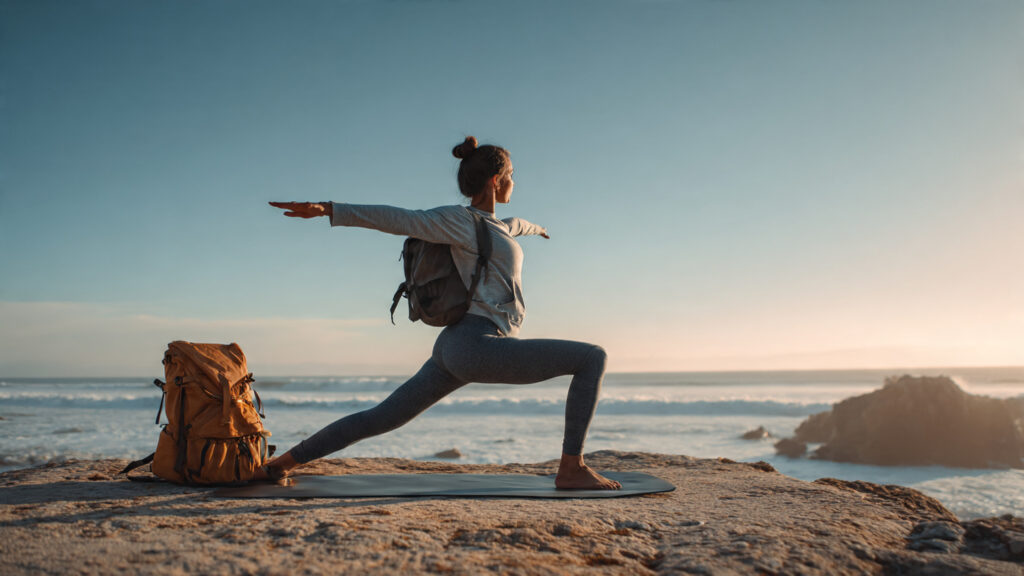
Hiking, swimming, and running outside are all natural ways to get fit. Sunlight and fresh air are good for your energy and happiness. Exploring parks or trails is a fun way to change up your workouts. Working out outside is fun and keeps fitness interesting.
Fitness Apps
Fitness apps help you work out and keep track of your progress. They help you stay productive by providing routines, challenges, and reminders. Apps can help you set manageable goals and keep track of your progress.
Healthy Sleep Habits
Set a Routine
Your health and recovery will benefit from going to bed and waking up at the same time. A consistent sleep routine supports your fitness and metabolism. Getting enough good sleep is important for keeping your mind and muscles healthy. Always do the same things, even on the weekends.
A comfortable place to sleep
For better sleep, make sure your room is cool, dark, and quiet. A soft mattress and pillows help you sleep and maintain good posture. Being in a quiet place can help you fall asleep faster and stay asleep longer. Good sleep improves your fitness ability throughout the day.
Limit Electronics Before Bed
Do not use phones, computers, or TV right before bed. Melatonin production is slowed by blue light, making it hard to fall asleep. Reading or relaxing before bed can help you sleep better. Getting more sleep can help you feel more energetic, control your weight, and concentrate.
Staying Motivated
Set Realistic Goals
To stay motivated, make exercise goals that you can reach. Break larger goals into smaller steps. To keep people excited, celebrate progress. Setting realistic goals helps you avoid frustration and promotes long term consistency, which is important for everyday exercise success.
Use Workout Buddy
If you want to stay motivated and have fun while exercising, work out with a friend. A buddy holds you accountable and keeps you going. Regular exercise can also be supported by joining an online community or participating in group workouts. Having social support makes it easier to stick to daily exercise routines.
Keep track of your progress
Keeping track of your meals, workouts, or steps helps you stay on track. You can track progress with journals, apps, or smart gadgets. Tracking progress helps people stay consistent and highlights their successes.
FAQs
How can I keep in shape if I do not go to the gym?
To stay healthy, do simple exercises at home, such as squats, push ups, walking, or resistance band exercises. Being fit also means doing things every day and living well. Small habits that you stick to work well.
When is the ideal time to work out?
Workouts in the morning give you more energy, and workouts in the evening can help you relax. The best time is when you are most stable and at ease. It is fine to choose any time that works for you.
How many glasses of water should I drink every day?
Try to drink some water every day. Staying hydrated supports energy, digestion, and exercise performance. Having a bottle with you helps you maintain this habit, adjust based on the weather and activity level.
Doing chores every day can help you get fit?
Yes, household chores such as gardening, cleaning, and carrying food burn calories and strengthen muscles. Do your jobs as short workouts to stay fit. Every little move makes a difference.
How important is it to get enough sleep?
Sleep is very important for energy, metabolism, and muscle repair. Exercise and weight control become more challenging when you don’t get enough sleep. Aim for 9 hours of good sleep each night.
Should you walk instead of working out?
Walking quickly is good for your heart, burns calories, and makes you feel better. It might not replace all workouts, but it is great for staying fit and active every day. For better balance, perform strength or stretching routines simultaneously.
How do I keep myself going to the gym every day?
Track your success, set goals that you can reach, and work out with a friend. Small successes and social support keep you going. Variety and awards are also good ways to keep people going.
Is it helpful to start with exercise apps?
Yes, exercise apps do offer guided workouts, reminders, and progress tracking. They help people who are just starting set up a plan and stick to it. Apps make it easy to get started and stay motivated with exercise.
How can I keep moving at work?
Take short breaks to stretch and go for walks from time to time. Using a desk and maintaining good posture can help reduce stress. Moving around and using the stairs while on the phone adds exercise. Small habits can keep you healthy in the long run.
Is working out outside better than working out inside?
Sunlight and fresh air make exercise outside better for your mental health, happiness, and energy. Working out indoors is easy and offers options. Using both together maximizes your workouts and keeps them fun.
Conclusion
Including physical activity in your busy schedule is simpler than it sounds. Little changes can build up to big changes if you make walking, exercising, eating slowly, and staying active a habit at home or at work. Maintaining a regular exercise routine, sufficient sleep, and mental health care are all equally important. Every day, you can feel stronger, happier, and have more energy if you follow these helpful tips.